Flamengo Shake-Up: The Unraveling of Filipe Luís's Dismissal Under José Boto's Watch
The hallowed grounds of Gávea, home to Brazilian football giants Flamengo, have recently been witness to a dramatic and contentious leadership transition. At the heart of this unfolding saga lies José Boto, Flamengo's sporting director, whose decisions have sent ripples through the club, the fanbase, and the wider football world. The abrupt dismissal of club legend Filipe Luís, swiftly followed by the appointment of seasoned coach Leonardo Jardim, has sparked intense debate, with conflicting narratives emerging from the corridors of power and leaked private conversations.
This article delves into the controversial events surrounding Filipe Luís's exit, scrutinizes José Boto's role and communication, and examines the implications of Leonardo Jardim's arrival for the Mengão. We'll explore the complexities of professional sports management, the pressure on executives like José Boto at Flamengo, and the delicate balance between strategic decisions and maintaining club harmony.
The Shockwaves at Gávea: Filipe Luís's Abrupt Exit
Filipe Luís, a decorated veteran and a figure synonymous with Flamengo's recent golden era, found his tenure at the club brought to an astonishingly swift and unceremonious end. A player celebrated for his leadership, experience, and significant contributions to multiple trophy conquests, Luís's departure was not merely a roster change; it was a perceived affront to a club icon. The timing, too, added a layer of bewildering controversy – the dismissal reportedly occurred moments after Flamengo secured a resounding 8-0 victory.
Such a move, delivered post-match, inevitably raises questions about internal club dynamics and the rationale behind leadership decisions. For many fans, the idea of dismissing a player of Luís's stature, especially following a dominant performance, felt jarring and disrespectful. It immediately placed the spotlight on the man responsible for communicating the decision: José Boto, Flamengo's sporting director. The emotional impact on the fanbase, who idolize players like Filipe Luís for their dedication and achievements, cannot be overstated. High-stakes environments like Flamengo require not only strategic foresight but also a profound understanding of the club's culture and its connection with its supporters.
José Boto's Public Stance vs. Private Whisper: A Leadership Dilemma
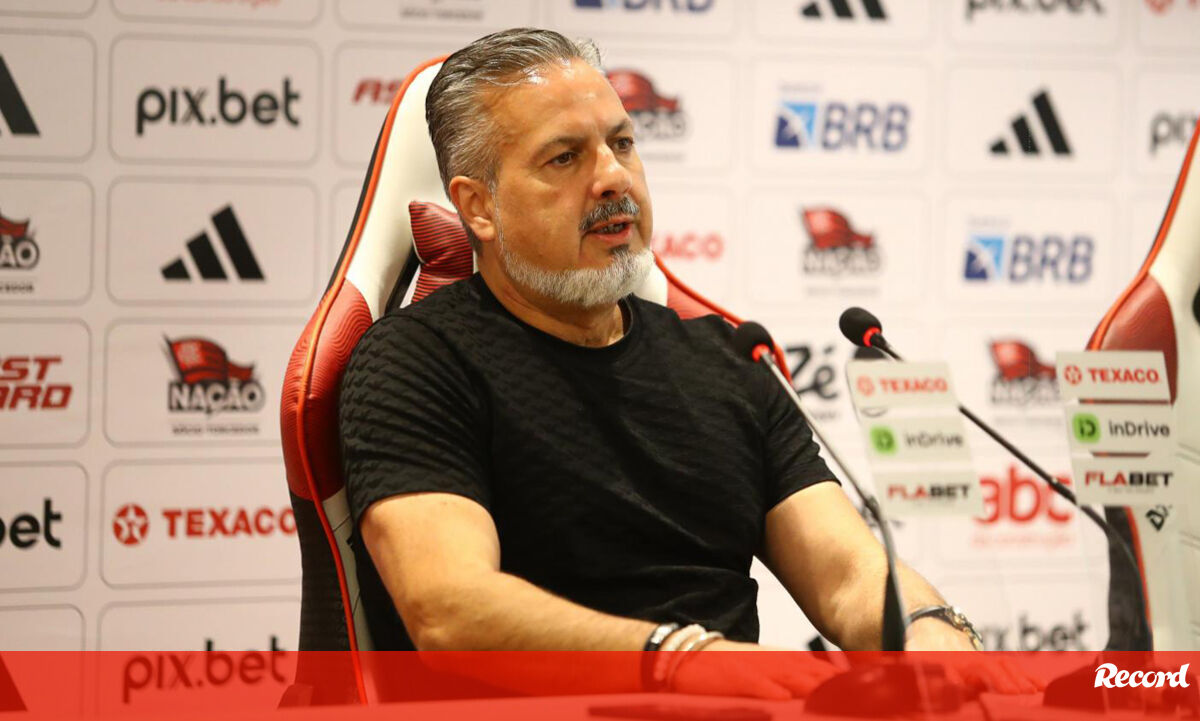
The core of the controversy surrounding Filipe Luís's dismissal lies in the stark contrast between José Boto's public statements and a leaked private conversation. Publicly, Boto adopted a firm, professional stance, asserting his authority and the necessity of difficult decisions. He stated, "When I was invited to join Flamengo, the president gave me several responsibilities. One of them is to assess the situation and find solutions. In this case, I made the assessment, proposed the solution, and the president agreed." He emphasized professionalism, noting, "Making difficult decisions is professionalism. Nothing takes away from what Filipe Luís accomplished here. He will have a brilliant career." This narrative positions José Boto at Flamengo as a decisive leader, making tough but necessary calls for the club's future. You can delve deeper into his rationale in José Boto Explains Flamengo's Filipe Luís Exit and Jardim Arrival.
However, an explosive revelation from Reddit's r/soccer community, quoting sources close to the situation, painted a different picture. According to these reports, in a conversation lasting less than two minutes, Boto allegedly told Filipe Luís, "Although I’m completely against this decision, I have to inform you that you’re out. I tried to delay it, but they just asked me to communicate it." This alleged statement profoundly undermines Boto's public position and suggests a complex internal power struggle or a mandate from higher up that he was compelled to execute despite his personal objections.
Implications for Leadership and Credibility
This dichotomy presents a significant leadership dilemma for José Boto, Flamengo's sporting director:
- Credibility Gap: If the leaked conversation is accurate, it creates a substantial gap between Boto's public and private messaging, potentially eroding trust within the club and among stakeholders.
- Internal Dynamics: It points to a lack of complete autonomy for the sporting director or significant pressure from other parts of the club hierarchy, which can complicate long-term strategic planning.
- Professionalism Under Scrutiny: While Boto emphasized professionalism in making difficult decisions, the manner of communication (post-win, short, contradictory message) raises questions about the execution of that professionalism.
Practical Tip for Club Management: In high-profile organizations, maintaining a unified front is paramount. When difficult decisions are made, especially regarding club legends, the message delivered externally and internally must be consistent and reflect collective leadership alignment. Any perceived internal conflict or lack of conviction can destabilize the club's image and morale. Read more about the challenges of such roles in José Boto: Flamengo's Director on Making Difficult Decisions.
The Arrival of Leonardo Jardim: A Strategic Shift for Flamengo?
Amidst the controversy, José Boto, Flamengo's sporting director, quickly moved to announce the "solution" for the club's coaching position: Leonardo Jardim. Boto praised Jardim as an "experienced coach in different contexts" with "achievements across various settings and more than 20 years of experience." He expressed confidence that Jardim is "someone we believe can get the best out of the finest squad in the Americas."
Leonardo Jardim brings a strong resume, having managed at top European clubs like Monaco (leading them to a Ligue 1 title and Champions League semi-final) and Sporting CP, as well as experiencing success in the Middle East with Al-Hilal. His tactical acumen and ability to develop talent are well-regarded. For Flamengo, the appointment of a coach with Jardim's European pedigree signals a clear intent to maintain, if not elevate, their standing as a continental powerhouse. The club's "finest squad in the Americas" demands a coach capable of extracting maximum performance and managing a roster packed with high-caliber, high-ego players.
Jardim's Challenges and Opportunities
- Immediate Pressure: Jardim steps into a club environment buzzing with recent controversy. His ability to quickly unite the squad and deliver results will be crucial in deflecting attention from the turbulent transition.
- Tactical Fit: Flamengo's squad is known for its attacking flair and technical quality. Jardim's ability to adapt his strategies to leverage these strengths while shoring up any defensive vulnerabilities will be key.
- Cultural Integration: While experienced, adapting to the unique pressures and passionate football culture of Brazil, particularly at a club like Flamengo, presents its own set of challenges.
The success of this strategic shift will inevitably reflect on José Boto at Flamengo. His tenure will be judged not just on the boldness of his decisions but on their ultimate outcomes on the pitch and the stability they bring to the club.
Navigating Club Transitions: Lessons from the Flamengo Saga
The situation at Flamengo offers valuable insights into the complex world of professional football management, particularly when dealing with transitions involving beloved figures and high-profile appointments.
1. For Club Leadership (Directors & Presidents):
- Align on Messaging: Ensure all public statements are consistent and reflect a unified club vision, especially on sensitive issues. Discrepancies can lead to a loss of trust and internal friction.
- Consider Fan Sentiment: While tough decisions are necessary, understanding and acknowledging the emotional connection fans have with club legends can mitigate backlash. Communication should be empathetic, even when firm.
- Strategic Planning & Communication: Any significant personnel change should be part of a clear, communicated strategy. Explain the "why" where appropriate, to provide context for difficult decisions.
2. For Sporting Directors (like José Boto at Flamengo):
- Establish Clear Mandates: Understand the boundaries of your autonomy and responsibility. If tasked with delivering decisions you personally disagree with, it's crucial to manage this dynamic internally to protect your professional integrity and the club's image.
- Master Difficult Conversations: Delivering bad news, especially to experienced professionals, requires skill, empathy, and clarity. A rushed, contradictory conversation can do more harm than good.
- Manage Public Perception: Every statement and action is scrutinized. Be prepared for the fallout of controversial decisions and have a consistent message ready.
3. For Arriving Coaches (like Leonardo Jardim):
- Focus on Performance: The best way to overcome surrounding controversies is to deliver results on the field and establish a clear tactical identity.
- Engage with the Culture: Understanding the club's history, fan expectations, and the local football landscape is vital for long-term success and acceptance.
Conclusion
The events surrounding Filipe Luís's dismissal and Leonardo Jardim's appointment have firmly placed José Boto, Flamengo's sporting director, at the center of a swirling debate about leadership, professionalism, and club dynamics. While Boto champions the necessity of making difficult decisions for the club's future, the alleged contradiction between his public stance and private conversation with Luís has undeniably complicated the narrative.
Flamengo, a club accustomed to the highest expectations, now faces the twin challenges of integrating a new coach and navigating the lingering questions about its internal decision-making processes. The success of Leonardo Jardim will be crucial in validating Boto's strategic vision and in steering the club forward. Ultimately, the Flamengo saga serves as a compelling case study in the high-stakes world of football management, where every decision, every statement, and every transition is subject to intense scrutiny, with profound implications for club legends, new leadership, and the passionate fanbase.