José Boto Explains Flamengo's Filipe Luís Exit and Jardim Arrival: A Deep Dive into High-Stakes Club Management
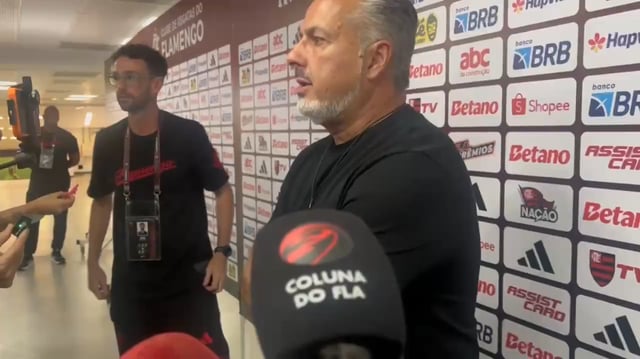
The world of top-tier football is a relentless carousel of triumphs and tribulations, where the stakes are perpetually high and decisions carry immense weight. Few clubs exemplify this intensity more than Flamengo, a colossal institution in Brazilian football with a fervent global fanbase. Recently, the spotlight has fallen sharply on **José Boto, Flamengo's** sporting director, following two seismic announcements: the controversial departure of club legend Filipe Luís and the subsequent appointment of seasoned tactician Leonardo Jardim. Boto's candid, albeit guarded, statements have offered a rare glimpse into the complex machinery of modern football management, highlighting the pressures, the professionalism, and the often-unseen rationale behind pivotal club decisions.
The Shifting Sands at Flamengo: José Boto's Mandate and the Burden of Leadership
When José Boto arrived at Flamengo, he wasn't merely stepping into a new role; he was entering a cauldron of expectation. As he himself articulated, his mandate from the president was clear: "assess the situation and find solutions." This isn't a job for the faint-hearted. In a club with Flamengo's stature, "situations" are rarely simple, and "solutions" are almost always scrutinized under a microscope by millions of passionate supporters, media, and pundits. Boto's responsibility as sporting director places him at the critical nexus of player management, coaching appointments, tactical direction, and the overarching strategic vision of the club.
His role demands a delicate balance of analytical rigor, decisive action, and a thick skin. Flamengo operates under immense pressure to consistently compete for domestic and continental titles. Every player signing, every contract renewal, and particularly every coaching change or player departure, is met with an immediate public reaction. Boto's initial task was to objectively evaluate the existing landscape, which, despite the club's illustrious history and current strong squad, undoubtedly presented challenges that required fresh perspectives. This foundational understanding of his mandate is crucial to grasping the context of the decisions that followed. His position requires him to act as an architect, constantly optimizing the team's structure and performance, even if it means dismantling parts that are beloved but no longer fit the blueprint for future success.
The Shocking Exit of a Legend: Filipe Luís's Controversial Departure
Perhaps no decision under José Boto's tenure has generated more discussion and debate than the departure of Filipe Luís. The former Atlético Madrid and Chelsea star, a revered figure at Flamengo, had become synonymous with the club's recent successes. The timing of his dismissal only amplified the shockwaves: it came immediately after an emphatic 8-0 victory, a result that would typically signal stability and success, not an abrupt ending for a veteran player. This particular detail underscores the often-unseen layers of decision-making in football, where immediate on-field results don't always dictate long-term strategic moves.
The dramatic nature of the announcement was further compounded by Boto's own reported words to Filipe Luís. In a conversation said to have lasted less than two minutes, Boto allegedly stated: "Although I’m completely against this decision, I have to inform you that you’re out. I tried to delay it, but they just asked me to communicate it." This single statement offers a fascinating, if unsettling, glimpse into the internal dynamics of Flamengo. It suggests a potential divergence of opinion within the club's hierarchy, with Boto potentially acting as the messenger for a decision made at a higher level.
For Filipe Luís, a player of immense experience and professionalism, such a direct and rapid communication, especially given his emotional ties to the club, must have been jarring. From Boto's perspective, conveying a decision he reportedly disagreed with, but was compelled to deliver, highlights the profound ethical and professional dilemmas that sporting directors often face. It's a testament to the complex role of a football executive, often caught between personal conviction and corporate directive. While Bão insisted on maintaining professionalism by not exposing "the many reasons" behind the decision, the very public nature of his alleged private words inadvertently revealed more than perhaps intended. He was resolute in his public defense of professionalism, stating, "Making difficult decisions is professionalism. Nothing takes away from what Filipe Luís accomplished here. He will have a brilliant career." This acknowledgement, while respectful, does not fully mollify the questions surrounding the abruptness and timing of the decision.
For a deeper understanding of the ripple effects of this significant personnel change, you might find valuable insights in our related article:
Flamengo Shake-Up: José Boto's Controversial Filipe Luís Dismissal.
A New Era Begins: The Strategic Appointment of Leonardo Jardim
With one door closing, another promptly opened. José Boto's "solution" to Flamengo's evolving needs manifested in the appointment of Leonardo Jardim as the new head coach. This move signals a clear strategic direction, opting for a coach with a proven track record and extensive experience across diverse footballing cultures. Jardim is not an unknown quantity; his resume boasts significant achievements, most notably leading AS Monaco to a Ligue 1 title and a Champions League semi-final appearance, nurturing talents like Kylian Mbappé in the process. He also had successful spells at Sporting CP and Olympiacos, among others.
Boto's rationale for selecting Jardim is multifaceted. He emphasized Jardim's "experience in different contexts," his "achievements across various settings," and his "more than 20 years of experience." These attributes are critical for a club like Flamengo, which operates in a highly competitive South American landscape and often faces unique challenges, from intense travel schedules to the passionate demands of local football culture. Jardim's ability to adapt his tactical approach, whether emphasizing defensive solidity or unleashing attacking flair, depending on the squad's strengths and the opposition, makes him an appealing choice.
The ultimate goal, as articulated by Boto, is for Jardim to "get the best out of the finest squad in the Americas." This statement speaks volumes about the club's ambition and its belief in the quality of its players. Jardim's task will be to harness this talent, instill a winning mentality, and develop a cohesive strategy that translates into consistent success. His experience in managing high-profile players and navigating the pressures of top-tier European football should serve him well in the equally demanding environment of the Maracanã. This appointment represents a strategic commitment to a defined coaching philosophy, one that values experience, adaptability, and a track record of maximizing player potential.
The Professionalism of Tough Decisions: José Boto's Perspective on Leadership
Boto's comments about professionalism offer a window into the mindset required for high-level sports management. His insistence on not exposing the "many reasons" behind Filipe Luís's exit, even amid intense public curiosity, highlights a commitment to internal discretion and the protection of individuals' reputations. This approach, while sometimes frustrating for those seeking full transparency, is often deemed necessary to maintain trust within the club and preserve the integrity of professional relationships.
For leaders in any field, making difficult decisions is an unavoidable aspect of the job. Boto's calm demeanor and consistent message underscore several vital principles:
* **Strategic Vision Over Sentiment:** Decisions, especially those involving beloved figures, must ultimately serve the club's long-term strategic objectives, even if they are unpopular in the short term.
* **Discretion and Respect:** While tough calls must be made, the manner in which they are communicated and handled can profoundly impact morale and public perception. Boto's acknowledgment of Filipe Luís's accomplishments is a nod to this.
* **Accountability:** As the sporting director, Boto takes ownership of the decisions proposed and approved, even if he may have personal reservations. This level of accountability is fundamental to leadership.
* **Focus on the Future:** The immediate transition from the Filipe Luís situation to the introduction of Jardim signifies a forward-looking approach, emphasizing solutions and progress rather than dwelling on past events.
In the cutthroat world of football, professionalism often means making choices that are not universally liked but are deemed necessary for the collective good. Boto's stance reflects a seasoned understanding of this reality, balancing the human element with the strategic imperatives of managing a top-tier club. For more insights into the challenges faced by sports executives in making these impactful choices, explore our article:
José Boto: Flamengo's Director on Making Difficult Decisions.
Conclusion
José Boto's initial months at Flamengo have been nothing short of eventful, marked by decisions that have ignited widespread discussion and redefined key aspects of the club's identity. The departure of Filipe Luís, a club icon, and the subsequent arrival of Leonardo Jardim, a coach of considerable international renown, collectively underscore a period of significant strategic recalibration. Boto's articulation of his role, emphasizing assessment and solution-finding, paints a picture of a sporting director unafraid to make tough choices, even those that might be personally challenging. As Flamengo embarks on this new chapter under Jardim's leadership, the success of these bold moves will undoubtedly be measured on the pitch. Yet, the insights provided by **José Boto, Flamengo's** architect of change, offer a valuable lesson in the complexities, pressures, and unwavering professionalism required to steer one of football's true giants. The future will tell if these difficult decisions pave the way for sustained glory at the Maracanã.