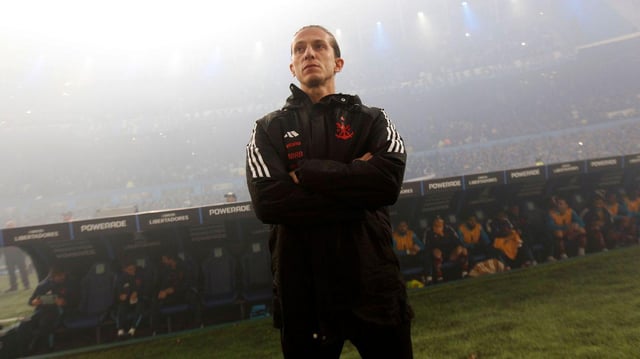
José Boto: Navigating the High Stakes of Flamengo's Director Role
In the demanding world of elite football, the role of a sporting director is a complex tapestry of strategy, foresight, and often, unenviable decisions. At a club as prominent and passionate as Flamengo, this responsibility intensifies tenfold. Here, every choice is scrutinized, every outcome celebrated or lamented with fervent intensity. At the heart of Flamengo's strategic planning and personnel management is José Boto, whose tenure has already been marked by pivotal, and at times controversial, calls.
Boto arrived at Flamengo with a clear mandate: to assess the club’s situation and implement solutions that align with its ambitious vision. This isn't a role for the faint-hearted. It requires a blend of football acumen, diplomatic skill, and an unwavering commitment to the club's long-term success, even when it means making deeply unpopular choices. The recent decisions surrounding the departure of club legend Filipe Luís and the subsequent appointment of Leonardo Jardim as head coach perfectly encapsulate the challenging reality of Boto's position within josé boto flamengo.
The Unseen Hand: José Boto's Mandate at Flamengo
A sporting director’s influence often operates behind the scenes, yet their impact is profoundly felt on the pitch and in the locker room. José Boto's role at Flamengo is no exception. Upon his invitation to join the club, Boto was entrusted with significant responsibilities by the president, centering on comprehensive assessment and strategic problem-solving. This goes beyond merely signing players; it involves a holistic view of the club’s structure, performance, and future trajectory.
At a club with the stature of Flamengo, consistently dubbed to have "the finest squad in the Americas," maintaining this elite status requires continuous evaluation. Boto's mandate is to identify areas for improvement, foresee potential challenges, and propose actionable solutions that keep Flamengo at the pinnacle of South American football. This involves intricate financial planning, talent identification, youth development integration, and, crucially, managing the coaching staff and player roster. The pressure to deliver results is immense, and the need for bold, calculated decisions is constant. It is within this framework that Boto operates, understanding that every recommendation carries significant weight for the club's immediate performance and its enduring legacy.
- Strategic Planning: Developing a long-term vision for player acquisition, development, and team philosophy.
- Performance Assessment: Objectively evaluating the current squad and coaching staff against club objectives.
- Solution Implementation: Translating assessments into concrete actions, such as player transfers or coaching changes.
- Stakeholder Management: Balancing the expectations of the president, board, fans, and players.
Navigating the Toughest Calls: The Filipe Luís Conundrum
Perhaps no decision has brought José Boto's philosophy of "making difficult decisions is professionalism" into sharper focus than the departure of Filipe Luís. A revered figure and club icon, Luís's exit was not just a player transfer; it was a moment that tested the emotional fabric of the club and its fanbase. For a director like Boto, such a move is rarely simple, often laden with layers of complexity that extend far beyond on-field performance.
Boto acknowledged making the assessment and proposing the solution for Luís's dismissal, a decision ultimately agreed upon by the president. While maintaining the professional confidentiality of the reasons – a core tenet of his approach – the internal dynamics surrounding this event were reportedly intricate. Accounts suggest that Boto delivered the news to Luís, stating, "Although I’m completely against this decision, I have to inform you that you’re out. I tried to delay it, but they just asked me to communicate it." This brief, two-minute conversation, coming moments after an 8-0 victory, paints a vivid picture of the personal and professional conflict inherent in such a role. It highlights instances where a director might be tasked with executing a decision that, while strategically driven by the club, may not align with their personal sentiment or preferred timing.
For josé boto flamengo, the dismissal of Filipe Luís was a stark reminder of the harsh realities of football management. It underscored that even legends must sometimes make way for new directions, and that professionalism often means putting the club's perceived needs above personal allegiances or popular opinion. While expressing deep respect for Luís's achievements and predicting a "brilliant career" for him, Boto's actions demonstrated a commitment to his mandate, regardless of the emotional toll or public scrutiny. This specific episode, while controversial, highlights the director's fortitude in standing by strategic imperatives. For more details on the context, you can read about the Flamengo Shake-Up: José Boto's Controversial Filipe Luís Dismissal.
A New Era: The Strategic Appointment of Leonardo Jardim
The departure of a legend often paves the way for new leadership and vision, and in Flamengo’s case, this translated into the strategic appointment of Leonardo Jardim as head coach. This decision, championed by José Boto, represents the proactive side of a sporting director’s responsibilities: identifying and securing the right talent to drive the club forward. Boto clearly articulated his belief that Jardim is the solution, citing a robust rationale for his choice.
Jardim arrives at Flamengo with an impressive resume, boasting "achievements across various settings and more than 20 years of experience" as a coach. His experience spans "different contexts," a crucial factor for a club like Flamengo that competes intensely across multiple domestic and continental fronts. This background suggests a coach capable of adapting to diverse tactical challenges, managing high-profile players, and navigating the unique pressures of South American football. Boto’s confidence in Jardim stems from a belief that he "can get the best out of the finest squad in the Americas." This statement isn't just a compliment to the squad; it's an articulation of the strategic intent behind the appointment – to maximize the immense talent already at Flamengo's disposal.
For Boto, the choice of Jardim goes beyond mere reputation. It signifies a carefully considered alignment of coaching philosophy with the club's playing style and aspirations. It indicates a director looking for a coach who can not only win matches but also develop players, instill a winning culture, and uphold the club's identity. This kind of strategic leadership is vital for sustained success, ensuring that coaching changes are not just reactionary but are integral parts of a larger, well-thought-out plan for josé boto flamengo. To understand Boto's perspective on this transition, refer to José Boto Explains Flamengo's Filipe Luís Exit and Jardim Arrival.
The Art of Professionalism in Football Management
José Boto's tenure at Flamengo, particularly through the Filipe Luís and Leonardo Jardim decisions, underscores a critical lesson in football management: professionalism is paramount. It’s not just about winning; it’s about how decisions are made, communicated, and justified (or kept confidential) in the club's best interest. Boto's assertion that "making difficult decisions is professionalism" speaks volumes about the ethos required to succeed in such a demanding role.
Key aspects of this professionalism include:
- Confidentiality and Discretion: Refusing to expose the specific reasons behind sensitive personnel changes, protecting individuals, and maintaining the club's internal integrity. This prevents unnecessary speculation and preserves a degree of decorum.
- Strategic Clarity: Making choices based on a clear, long-term vision for the club, rather than succumbing to short-term emotional responses or public pressure. This means prioritizing future success over past loyalties when necessary.
- Unwavering Conviction: Standing by difficult decisions once they are made, even if they draw criticism. A director must have the conviction to implement a plan they believe in, despite potential backlash.
- Respect for Individuals: Even when making tough calls, maintaining respect for the departing personnel. Boto’s praise for Filipe Luís’s career highlights this commitment to upholding human dignity amidst professional changes.
- Effective Communication (Internal and External): While some details remain confidential, the clarity of Boto's public statements regarding Jardim's qualities and his confidence in the squad demonstrates an ability to frame decisions positively for the future.
For any sporting director, navigating the intricate web of player contracts, coaching philosophies, and fan expectations demands an iron will and a clear head. Boto's approach provides a blueprint for how to balance the sentimental attachment often associated with football with the hard-nosed strategic imperative of running a top-tier club successfully. It requires an ability to detach emotionally from choices that are, ultimately, for the greater good of the institution he serves.
Conclusion
José Boto's role as Flamengo's sporting director is a microcosm of the intense pressures and profound responsibilities that define modern football management. From the challenging decision to part ways with a club legend like Filipe Luís to the strategic move of bringing in an experienced coach like Leonardo Jardim, Boto's actions are consistently guided by a singular vision: to ensure Flamengo remains a dominant force. His emphasis on professionalism, strategic foresight, and the courage to make difficult decisions underscores the complexity of his position. As Flamengo continues its journey, the strategic direction set by Boto will undoubtedly play a crucial role in shaping the club's future successes and navigating the ever-evolving landscape of South American and global football.